


Clonazepam Uses: Anxiety Relief, Panic Disorder, Side Effects and Safety Information
- henrycastellano212
- 6 days ago
- 3 min read

Clonazepam Uses for Anxiety, Panic Disorder & Safety Information
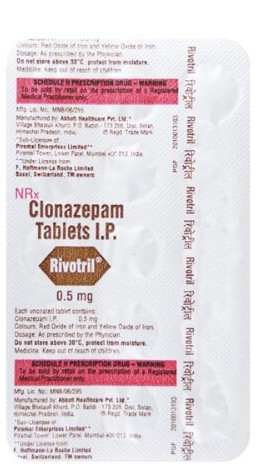
What Is Clonazepam?
Clonazepam is a prescription medication classified as a benzodiazepine. It affects the central nervous system and may be given by a competent healthcare expert to treat specific medical issues.
Many people look for information on clonazepam for anxiety alleviation. Depending on an individual's medical condition and professional evaluation, clonazepam may be used to treat specific anxiety-related symptoms, notably those linked with panic disorder.
What is Clonazepam Used For?
One of the most frequently asked inquiries is, "What is clonazepam used for?"
Clonazepam can be prescribed for:
• Some seizure conditions.
• Panic disorder.
• A healthcare expert may diagnose anxiety-related symptoms in specific conditions.
Clonazepam can calm and sedate the central nervous system. However, it should only be used when prescribed by a healthcare expert.
Clonazepam for Anxiety Relief.
Clonazepam may help some people lessen anxiety and panic symptoms. Before prescribing this medicine, healthcare professionals may evaluate numerous aspects, including as the patient's symptoms, medical history, other medications, and general health.
It is critical to remember that clonazepam is a prescription medicine that may not be suited for everyone experiencing anxiety. A skilled healthcare professional can assess whether it is appropriate for an individual's unique situation.
Clonazepam and Panic Disorder
Clonazepam is often used in the treatment of panic disorder. Panic disorder is characterized by frequent bouts of acute dread or discomfort, which may be accompanied by symptoms such as rapid heartbeat, sweating, trembling, or shortness of breath.
A healthcare professional can assess these symptoms and offer a suitable treatment approach.
How does Clonazepam Work?
Clonazepam affects activity in the brain and central nervous system. Its effects can be soothing or sedative, which may assist healthcare providers in managing specific medical disorders.
Clonazepam's effects can vary by individual. Always adhere to the treatment directions given by your healthcare professional.

Common Clonazepam Side Effects
Clonazepam, like other prescription drugs, can produce negative effects. Some widely mentioned adverse effects are:
• Drowsiness.
• Dizziness.
• Tiredness.
• Issues with coordination.
• Difficulty concentrating.
• Problems with memory.
Not everyone has the same side effects. If your symptoms persist, are severe, or cause concern, consult a certified healthcare expert.
Important Clonazepam Safety Information.
Clonazepam should only be used with the supervision of a competent healthcare expert.
Because this drug can produce sleepiness and impair coordination, do not drive or operate machinery until you know how it affects you.
Clonazepam may interact with other drugs or substances. Inform your doctor about all prescription prescriptions, over-the-counter medications, and vitamins you take.
Do not adjust your dose or discontinue clonazepam without consulting a medical expert.
Clonazepam Dosage Information
The optimal clonazepam dosage is determined by various factors, including the medical condition being treated, age, individual reaction, and other drugs taken.
Never take more clonazepam than advised or adjust your dosage without visiting your doctor.
Your prescriber can select the best treatment strategy for you based on your specific needs.
Frequently Asked Questions About Clonazepam
Is Clonazepam Used For Anxiety?
Clonazepam can be administered for some anxiety-related illnesses and is used to treat panic disorder. The individual's symptoms and medical evaluation determine whether it is appropriate.
Does Clonazepam Cause Drowsiness?
Yes, drowsiness and weariness may occur. Avoid tasks that need attentiveness, such as driving, until you understand how the medicine affects you.
How Fast Does Clonazepam Start Working?
The timing and effects vary according to the individual and the medical condition being treated. A healthcare professional can offer advice depending on your individual treatment plan.
Can You Stop Taking Clonazepam Suddenly?
Do not abruptly discontinue or adjust your clonazepam treatment without medical supervision. A healthcare practitioner can advise you on the most secure technique.
Final Thoughts
Clonazepam is a prescription medicine that can be used to treat seizures, panic disorders, and, in some cases, anxiety-related symptoms. Understanding clonazepam uses, potential side effects, and critical safety information will assist people in having educated discussions with their healthcare providers.
Always use prescription medications responsibly and in accordance with competent medical advice.
Author
USA Care Pharmacy Editorial Team
Or, for a more professional trust-building format:
Reviewed by: USA Care Pharmacy Medical Content Team
Sources
MedlinePlus – Clonazepam Drug Information — Information on clonazepam, its approved uses, precautions, and potential side effects.
DailyMed – Clonazepam Prescribing Information — Official U.S. drug-label information, including indications for certain seizure disorders and panic disorder.
FDA – Benzodiazepine Safety Information — Important safety information about the benzodiazepine drug class.
Medical Disclaimer
This article is provided for general educational and informational purposes only and does not constitute medical advice, diagnosis, or treatment. Clonazepam is a prescription medication and should only be used under the direction of a qualified healthcare professional.


Comments